
Most people give very little thought to their bones and joints until something starts to complain. A knee that objects to the stairs, or shoulders that take a while to loosen in the morning. A parent who breaks a wrist after a small stumble, and suddenly bone density stops being an abstract idea.
Bone and joint health tends to work quietly in the background for decades, which is precisely why it is easy to overlook. The habits that matter most are the ones built long before symptoms appear, and they are simpler than they are often made to sound.
This guide covers how bones and joints work, what influences them over a lifetime, the everyday habits that help maintain them, and the vitamins and minerals with approved roles in keeping bone tissue normal. It also covers where the evidence stops, and what the rules allow anyone to say about it.
How Bones and Joints Work Together
Bone is living tissue, throughout life, old bone is broken down and new bone is laid in its place, a continuous process known as remodelling. Bone is also where the body stores most of its calcium, drawing on that reserve when blood levels need topping up.
Bone mass builds through childhood and early adulthood, reaching its highest point somewhere in the late twenties to early thirties. After that the balance gradually shifts, and slightly more bone tends to be broken down than is replaced. This is ordinary ageing and what we expect to happen, it’s the rate at which it happens that is influenced by many of the factors covered below.
Joints are the points where bones meet. Cartilage covers the bone ends, providing a smooth surface where they move against one another, and synovial fluid within the joint capsule allows that movement to happen freely. The muscles that move a joint attach to bone on either side of it, which is why the two are difficult to separate as topics. Muscle strength affects how well a joint is supported, bone provides the anchor that muscle pulls against, and weakness in any one part of that arrangement tends to place more demand on the others.
Hormonal changes play a part as well, particularly for women. Falling oestrogen levels around perimenopause, the years leading up to the menopause, may be associated with a faster rate of bone loss, and reduced oestrogen may also be associated with aching and stiff joints. That second effect is a common experience during this period and one that often catches women by surprise, since it is discussed far less than hot flushes. Bones and joints are one part of a broader set of changes in hormone health during these years.
What Affects Bone and Joint Health
Some influences on bone and joint health can be acted on, and some cannot. Knowing which is which makes it easier to decide where effort is worth putting.
The influences that can be acted on include:
- Physical activity levels, particularly weight-bearing and strength work
- Dietary intake of the nutrients bone tissue depends on
- Body weight, at both ends of the range
- Smoking
- Alcohol intake
- Sunlight exposure across the year, which affects vitamin D status in the UK
Other influences cannot be changed, and are worth knowing about mainly for context. The rate of bone loss tends to increase with age. Family history plays a part, and someone whose parent had a hip fracture may carry a higher risk themselves. Women tend to lose bone more quickly than men after the menopause, and generally have less bone tissue to begin with.
Some long-term medicines and some medical conditions may also affect bone health. Anyone taking regular medication who has concerns about their bones should raise it with their doctor rather than adjusting anything independently.
Everyday Habits That Support Bones and Joints
Include Weight-Bearing and Strength Activity
Bone responds to being loaded, which is why activities where the body works against gravity matter more here than gentler movement does. Walking, dancing, climbing stairs, jogging, and racket sports all place a load through the skeleton that ordinary sitting does not. NHS guidance for adults is 150 minutes of moderate-intensity activity a week, spread across the week rather than concentrated into one session. Moderate intensity is the level at which holding a conversation is possible but singing along to a song is not.
Strength work at least twice a week supports the muscles around the joints as well as loading bone. That can mean weights or resistance bands, though bodyweight exercises and heavier gardening count too.
Keep Moving Without Overloading
Swimming, aqua aerobics, and cycling keep joints moving with less load passing through them, which suits anyone who finds higher-impact activity uncomfortable. None of them loads bone in the same way, so they work best alongside something weight-bearing rather than in place of it.
Staying in one position for long stretches tends to increase stiffness, whether that position is sitting or standing. Alternating between the two, and getting up for a short walk after a long spell seated, both help. So does spending a few minutes warming up before activity.
Handle Heavy Loads Carefully
Small joints take a disproportionate amount of strain from everyday tasks, and a few adjustments spread that load more evenly:
- Where a task allows, use the larger, stronger joints rather than the smaller ones
- Carry items close to the body rather than at arm’s length
- Use both palms or the forearms instead of gripping with the fingers
- Where possible, slide objects along a surface rather than lifting them
- Bend at the knees when lifting from low down
Body Weight
Body weight affects how much load passes through the knees and hips with every step, and where someone is carrying additional weight, reducing it lessens that load. Being underweight is associated with lower bone density and a higher fracture risk, which is less widely known. Eating enough, across a varied diet, is part of looking after bone tissue.
Smoking and Alcohol Intake
Smoking is associated with reduced bone density, and both smoking and regularly drinking above the UK guideline of 14 units a week are associated with a higher fracture risk. Support with stopping smoking is available free through the NHS.
Reduce the Risk of Falls
For older adults in particular, a great deal of bone health comes down to avoiding falls in the first place. Eyesight and hearing both affect balance and stability, so regular checks are worthwhile. Foot pain affects how someone walks, and shoes should be supportive with enough room for the toes to move. Anyone worried about their balance can ask their doctor about a falls assessment, and some medicines can cause dizziness that is worth reviewing with a doctor or pharmacist.
When to Speak to a Doctor
Some bone and joint symptoms need looking at properly. Identifying the underlying cause should always come before any thought of nutritional support, because the two are not interchangeable.
It is worth speaking to a doctor about:
- Joint pain that is stopping normal activities or affecting sleep
- Pain or swelling that is getting worse, or that keeps returning
- Pain that has not settled after around two weeks of managing it at home
- Stiffness lasting more than 30 minutes after waking
- A joint that is hot, red, or swollen, particularly alongside feeling generally unwell or feverish
- A broken bone after a minor fall or knock, particularly over the age of 50
A doctor may want to rule out conditions including osteoarthritis, rheumatoid arthritis, gout, and osteoporosis, or arrange a bone density scan. In many parts of the UK, NHS musculoskeletal services including physiotherapy can be accessed directly without a referral.
Vitamins and Minerals for Bone Health
The nutrients below have specific roles that have been reviewed and approved by regulators. In the UK, health claims about nutrients can only use wording that appears on a public list called the GB Nutrition and Health Claims Register, and the approved claims here relate to maintaining normal bone tissue rather than to correcting a problem or building bone density. It is the claims that are approved, not the nutrients themselves.
The register also holds no approved claims relating to joints. No food supplement substitutes for the activity, diet, and lifestyle foundations above.
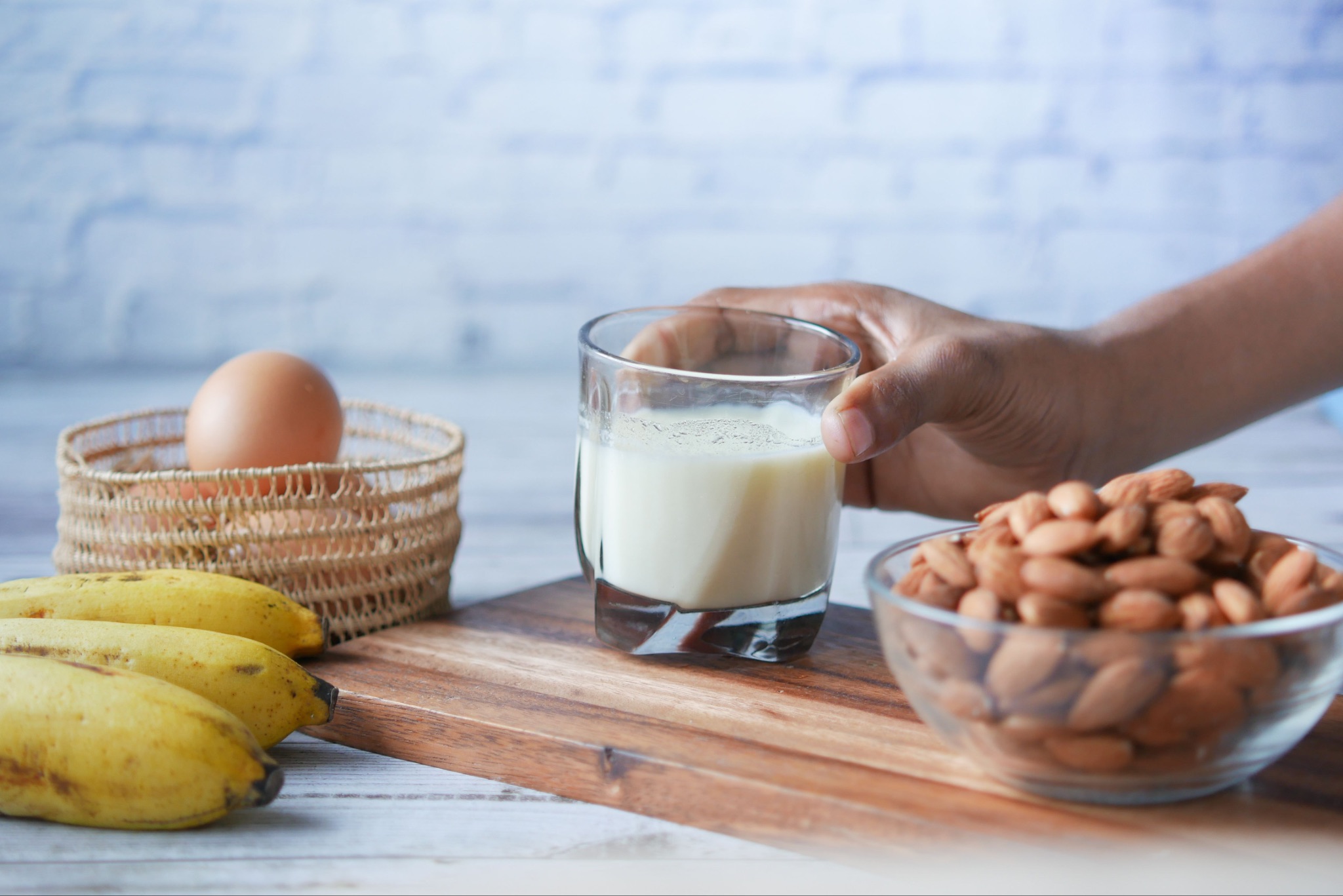
Calcium is the mineral held in the greatest quantity in bone tissue, and it is needed for the maintenance of normal bones. Food sources include dairy foods, tinned fish where the bones are eaten, fortified plant drinks, tofu set with calcium, and dark green leafy vegetables such as kale and pak choi. Spinach is a poorer source than its reputation suggests, because its oxalate content reduces how much of the calcium the body can take up.
Vitamin D contributes to the maintenance of normal bones, and to the normal absorption and use of calcium and phosphorus. It also contributes to the maintenance of normal muscle function, which is relevant to strength and stability. The NHS advises that everyone in the UK considers taking a daily vitamin D supplement between October and March, when sunlight in this country is too weak for the skin to make it, and year-round for people who are rarely outdoors or who usually keep their skin covered. Food sources include oily fish, egg yolks, and fortified foods, though food alone rarely supplies a great deal.
Vitamin K contributes to the maintenance of normal bones. Food sources include green leafy vegetables, broccoli, and fermented foods such as natto.
Magnesium contributes to the maintenance of normal bones, and separately to normal muscle function. Food sources include nuts, seeds, wholegrains, and pulses.
Vitamin C contributes to normal collagen formation for the normal function of bones, and to normal collagen formation for the normal function of cartilage. Collagen is a structural protein found in both tissues, and vitamin C is the only nutrient here whose approved claims include cartilage. Food sources include peppers, blackcurrants, citrus fruits, broccoli, and strawberries.
Manganese contributes to the maintenance of normal bones and to the normal formation of connective tissue. Copper contributes to the maintenance of normal connective tissues. Food sources for both include wholegrains, nuts, pulses, and shellfish.
Zinc contributes to the maintenance of normal bones. Food sources include shellfish, meat, seeds, and pulses.
Protein contributes to the maintenance of normal bones, and supplies the amino acids the body uses to build many of its own proteins, including those in muscle. Food sources include meat, fish, eggs, dairy foods, pulses, tofu, and nuts.
Anyone choosing to supplement will find these nutrients available both individually and combined within a multivitamin, and either route can be appropriate depending on what the diet is already providing. The label shows the actual amounts of each nutrient. The label shows the form of each nutrient used, and the bone and joint range lists these in full.
Calcium, Vitamin D, and Bone Loss After the Menopause
There is one approved claim in this area that goes further than the maintenance claims above. It comes with conditions attached.
The GB Register authorises the statement that calcium and vitamin D help to reduce the loss of bone mineral in post-menopausal women, and that low bone mineral density is a risk factor for osteoporotic bone fractures. This is a reduction of disease risk claim, which is a different and more demanding category than the maintenance claims covered above.
The conditions attached to it are strict, and they are the part that usually goes unmentioned:
- It applies to women aged 50 and over, and to no one else
- It may only be used on food supplements providing at least 400mg of calcium and 15 micrograms of vitamin D per daily portion
- The beneficial effect is obtained with a total daily intake of at least 1200mg of calcium and 20 micrograms of vitamin D from all sources, food included
- Osteoporotic fracture has multiple risk factors, and altering one of those risk factors may or may not have a beneficial effect
A total intake of 1200mg of calcium a day is well above the NHS reference nutrient intake for adults, which is 700mg. The claim therefore describes an effect at an intake level higher than most people in the UK are advised to aim for from their diet, and more calcium is not automatically better.
Reducing the loss of bone mineral does not amount to preventing osteoporosis or preventing fractures. Bone mineral density is one risk factor among several, alongside age, family history, previous fractures, certain medicines, and falls risk. Addressing one of them may help, and it may not be the factor that matters most for any particular individual.
The claim remains meaningful. It is a narrow, carefully worded statement about one measurable outcome in one specific group of people, at intake levels that need checking rather than assuming. Any woman concerned about bone loss after the menopause is better served by speaking to her doctor about whether a bone density scan is appropriate than by acting on a claim printed on a pack.
Glucosamine, Chondroitin, Collagen, and MSM: What the Research Shows
Glucosamine, chondroitin, collagen, methylsulfonylmethane (usually shortened to MSM), curcumin from turmeric, and omega-3 fatty acids all appear widely in supplements aimed at people thinking about their joints.
None of these ingredients currently holds an approved health claim for bones or joints on the GB Register, which means what can be described is the research that has been carried out rather than any stated effect.
Glucosamine and chondroitin are compounds found in cartilage, and both have been studied in relation to joint conditions over several decades. Collagen is the structural protein making up a large part of cartilage, and hydrolysed forms have been the subject of a number of trials. MSM is a sulphur compound investigated in the same context. Curcumin and omega-3 fatty acids have both been researched widely, and omega-3 does hold approved claims, though those relate to heart, brain, and vision rather than to joints.
Research in this area has generally been assessed as falling short of the standard an approved claim requires, in some cases because studies were carried out in people with a diagnosed joint condition, which cannot support a claim aimed at the general population. The absence of an approved claim reflects how evidence has been measured against a specific regulatory standard, rather than a conclusion about the ingredient itself.
Glucosamine is often derived from shellfish, which matters for anyone with a shellfish allergy. Some of these ingredients may interact with anticoagulant medicines such as warfarin, so anyone taking blood-thinning medication should speak to their doctor or pharmacist before starting them.
Bone and Joint Health Through Every Decade
What matters most changes depending on where someone is starting from.
Through the twenties and thirties, bone mass is still building or close to its peak, and this is the period with the longest runway. Activity and diet during these years shape the reserve everything afterwards draws on, though the consequences feel remote at that age.
The forties and fifties bring hormonal changes for women, with bone loss and joint aches both commonly reported around perimenopause and the menopause. This guide has covered changes specific to women in places, and they form part of a wider women’s health picture that extends well beyond bones and joints. Men lose bone density with age too, more gradually and later, and the same habits serve them.
Beyond sixty, the practical priorities shift towards maintaining muscle strength, staying steady on the feet, and continuing to load the skeleton through regular activity. Supporting health over 50 is generally less about starting anything new than about keeping going with what already works.
Progress with bones and joints is slow, largely invisible, and offers very little in the way of encouragement along the way. There is rarely a moment where anything obviously improves. Bone density changes over years, not weeks, and the reward for getting it right is mostly the absence of a problem. Staying motivated by that is difficult, and the lack of visible feedback is normal rather than a sign the effort is going nowhere.
Drawing on more than 30 years of Good Health Naturally’s experience as an independent family business in the UK, the approach here is to set out what is established and to be clear about where it ends. Bones and joints respond to consistency, to movement, and to eating well, and the nutrients with approved roles have those roles for good reason. Our nutrition team is available to discuss general nutritional support for anyone who wants to talk it through.
Frequently Asked Questions
How can bone strength be supported?
The foundations are weight-bearing and strength-based activity, an adequate intake of the nutrients bone tissue depends on, particularly calcium and vitamin D, not smoking, and keeping alcohol within the UK guideline of 14 units a week. Eating enough overall matters as well, since being underweight is associated with lower bone density. These habits work cumulatively over years rather than producing quick results.
Does exercise strengthen bones?
Yes. Bone responds to being loaded, and weight-bearing activity such as walking, jogging, dancing, and stair climbing places that load through the skeleton. Resistance and strength work does the same while also supporting the muscles around the joints. Swimming and cycling are valuable for joints and general fitness but do not load bone in the same way, so they are best paired with something weight-bearing.
What vitamins are good for bones and joints?
Calcium, vitamin D, vitamin K, magnesium, zinc, manganese, phosphorus, and protein all hold approved claims relating to the maintenance of normal bones. Vitamin C relates to collagen formation for the normal function of both bones and cartilage, and manganese and copper relate to connective tissue. No nutrient holds an approved claim relating to joints specifically.
What are the worst foods for joint pain?
No specific food has been established as a cause of joint pain in the general population, despite how often lists of this kind appear online. Gout is the exception, where a doctor may give dietary advice about purine-rich foods. Anyone noticing a consistent pattern between a particular food and their symptoms should raise it with a doctor rather than cutting out food groups unsupervised, since restricted diets carry their own risks.
What does the NHS advise for joint pain?
NHS guidance is to rest the affected joint where possible without stopping moving it altogether, to speak to a pharmacist or doctor about suitable pain relief, and to maintain a balanced diet and regular exercise. Losing weight helps where someone is overweight, and not smoking is advised. Anyone whose pain has not improved after around two weeks, or whose joint is hot and swollen, should seek medical advice.
Food supplements should not be used as a substitute for a varied and balanced diet and a healthy lifestyle. Always speak to a qualified healthcare professional before starting any new supplement, particularly alongside an existing health condition or medication.