
-
 Select options This product has multiple variants. The options may be chosen on the product page
Active Life™ Multivitamin
Price range: £28.95 through £29.95- 20+ Vitamins & Minerals
- Active Folate & Methyl B12
- Supports Immune Function
-
 Add to Basket
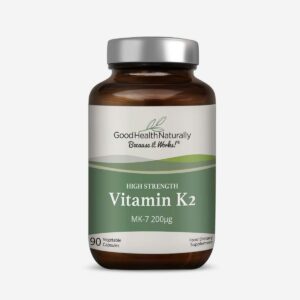
High Strength Vitamin K2
£19.95- Maintains Normal Bones
- 200µg MK-7
- 3 Months’ Supply
-
 Add to Basket
Joint & Skin Matrix™ with BioCell Collagen®
£35.95- 1,000mg BioCell Collagen® per Serving
- With Hyaluronic Acid & Chondroitin
- Patented Collagen Type II Complex
-
 Add to Basket
MacaPro® XP Purple Maca Liquid Extract
Original price was: £32.99.£24.74Current price is: £24.74.-25%- Organically Grown
- High-Strength 20:1 Extract
- Liquid Format
-
 Add to Basket
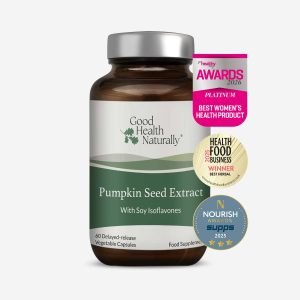
Pumpkin Seed Extract with Soy Isoflavones
£19.95- 540mg Pumpkin Seed Extract (10:1)
- With Soy Isoflavones
- Dual Botanical Formula
-
 Add to Basket
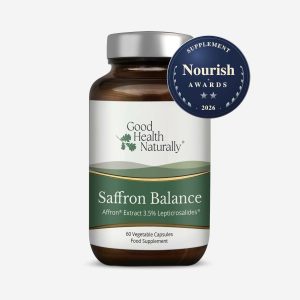
Saffron Balance with Affron® Saffron Extract
£32.95- 30mg Affron® Saffron Extract
- Standardised to 3.5% Lepticrosalides®
- One Vegan Capsule a Day
-
 Add to Basket
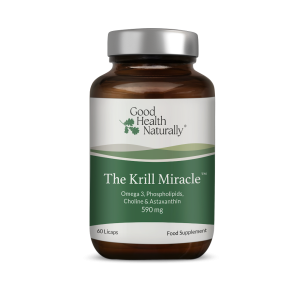
The Krill Miracle™ Krill Oil Capsules
£24.95- 260mg EPA & DHA
- MSC-Certified Krill
- With Natural Astaxanthin
-
 Add to Basket
Vitamin D3 4,000 IU Capsules
£20.95- 4,000 IU Vitamin D3
- Supports Immune Function
- 100 Days’ Supply
-
 Add to Basket
Vitamin D3 and K2 Spray
£20.45- 1,000 IU D3 + 100µg K2 (MK-7)
- Vegan D3 from Lichen
- Easy Oral Spray
Menopause supplements
Menopause supplements are one way some women choose to look after themselves through perimenopause, menopause and the years that follow. This stage of life brings a lot of change, and it’s a good time to look again at diet, activity, sleep and the nutrients that matter most as your needs shift.
Choosing a menopause supplement
Saffron Balance with Affron® Saffron Extract if you’re looking for a botanical, with 30mg of standardised Spanish saffron extract.
MacaPro® XP Purple Maca Liquid Extract for a concentrated 20:1 extract of organically grown maca root, traditionally grown in the Peruvian Andes.
Pumpkin Seed Extract with Soy Isoflavones, which combines pumpkin seed with plant compounds from soy.
The Krill Miracle™ Krill Oil Capsules for omega-3 from Antarctic krill. EPA and DHA contribute to the normal function of the heart, with a daily intake of 2 capsules.
Vitamin D3 4,000 IU Capsules, Vitamin D3 and K2 Spray or High Strength Vitamin K2 to look after your bones. Vitamin D and vitamin K contribute to the maintenance of normal bones.
Active Life™ Multivitamin if you’d like a broad daily foundation of vitamins and minerals.
Want to know more? Read our practical guide to hormone health.
Menopause supplement FAQs
What is the difference between perimenopause and menopause?
Perimenopause is the time leading up to menopause, when hormone levels start to change and periods may become irregular. It can last several years. Menopause is reached when you haven’t had a period for 12 months in a row, usually between the ages of 45 and 55.
Can I take supplements alongside HRT?
Many women do, but check with your GP or pharmacist first, especially for herbal products, so they can make sure there’s nothing that could interact with your treatment.
When should I see my GP?
If symptoms are affecting your daily life, if you’re under 45 and noticing changes, or if you have any bleeding after your periods have stopped, speak to your GP. They can talk you through the options, including HRT.
Is diet still important?
Yes. Supplements work best alongside a balanced diet, regular activity, including weight-bearing exercise, and good sleep habits.
Reviewed by Lindsay Powers, Nutritionist